

PRIVATE APPLICATION PROGRAM
THE ALIGNMENT BLUEPRINT
A Private Six-Month School-Home Alignment Implementation
For international school families ready to build sustained alignment across school and home, so children spend less energy adjusting across environments and more energy remains available for learning.
For full-system alignment, not one condition in isolation.
Application-based to preserve fit, depth, and implementation quality.

What the Alignment Blueprint Is
The Alignment Blueprint is a private six-month School-Home Alignment implementation for families whose child is showing inconsistency across school and home.
Through guided implementation, families strengthen the conditions their child relies on so learning, emotional steadiness, independence, and daily life become more predictable and sustainable.


Academic access is not built at school alone.
Children carry the conditions surrounding them across school, home, routines, relationships, and daily life.
When those conditions align, learning becomes more consistently accessible.
The Blueprint Builds Alignment Across a Child’s Full Day
Inside the Blueprint, families examine how routines, expectations, adult responses, transitions, regulation, independence, and consistency interact across school, home, and daily life.
When patterns extend across environments, families often need more than isolated strategies.
They need alignment.

The Blueprint is designed for families who need to understand the full pattern, not just respond to the most visible point of strain.
The Six-Month Alignment Pathway







What’s Included in the Six-Month Blueprint
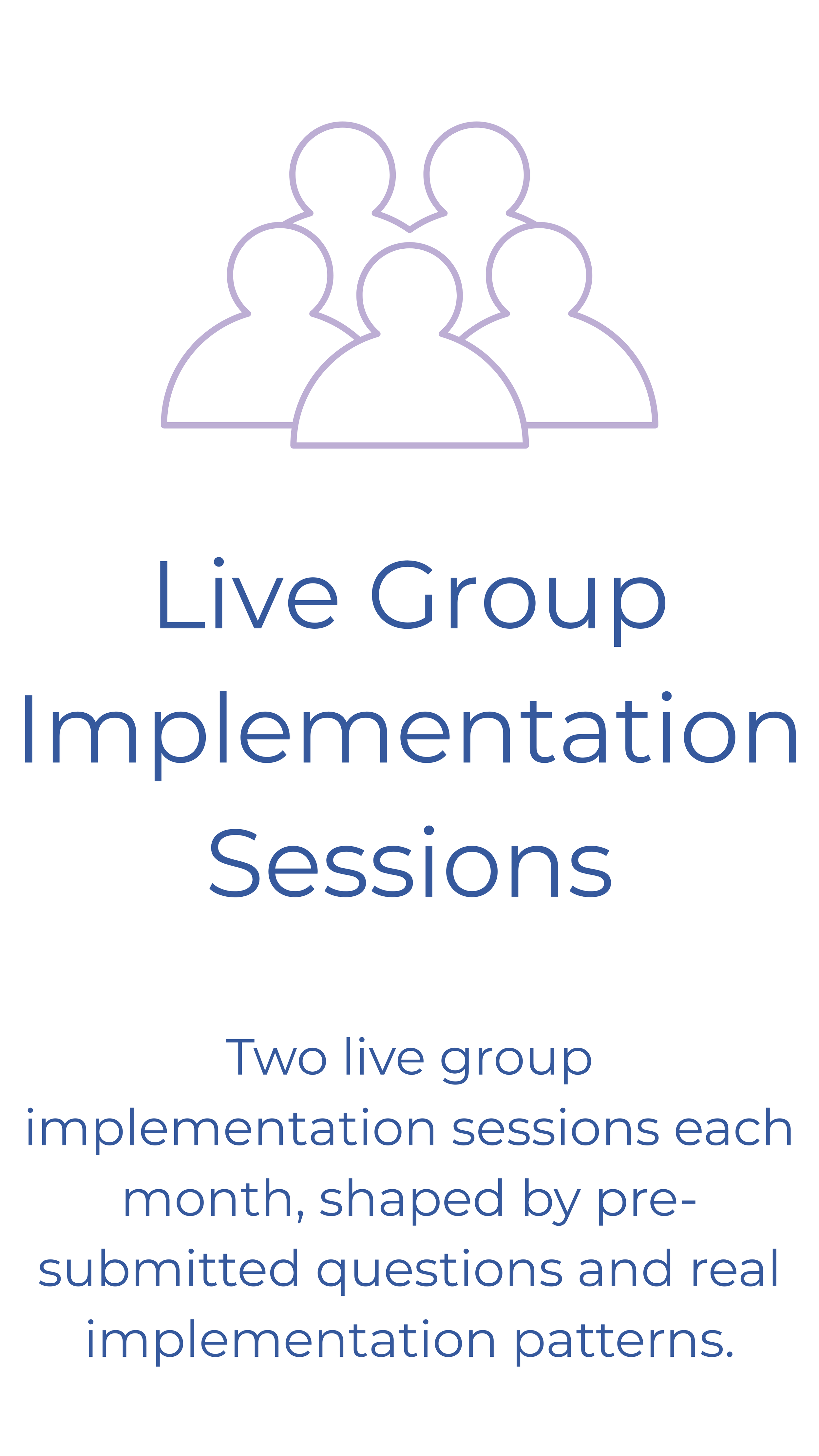
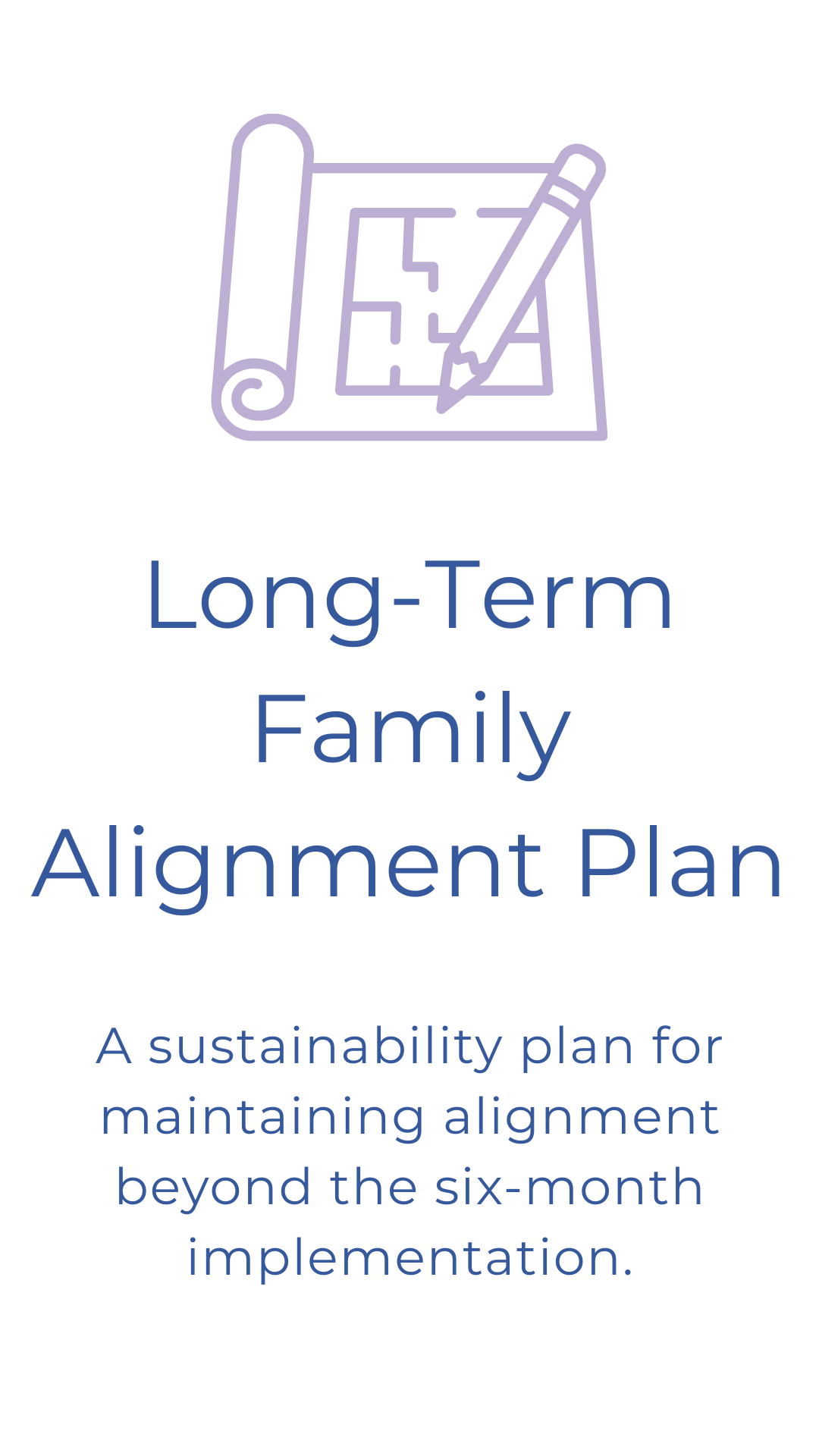
Privacy and Discretion, Always
The Blueprint is designed for meaningful support without public exposure. Families may participate with cameras off, using alternate display names and submitting questions anonymously. School names, child names, teacher names, and identifying details are not shared in group spaces.

Global, Research-Informed, and School-Compatible
The Alignment Blueprint is not built around one culture, one parenting style, or one school system.
It is grounded in research-informed educational best practice and translated into a School-Home Alignment implementation designed for globally mobile families.
The structure is designed for families living across countries, school systems, caregiving arrangements, and time zones.
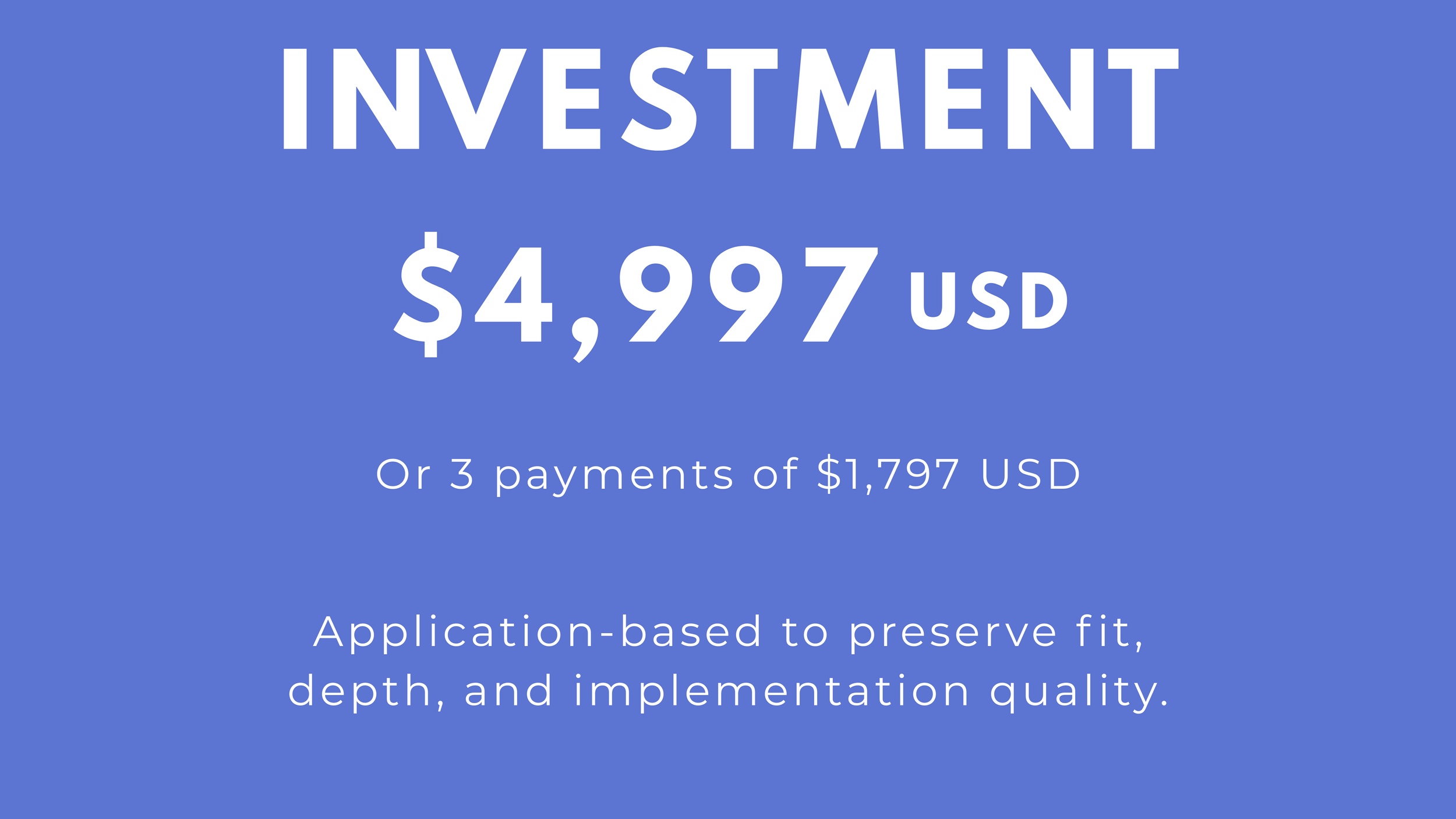
A private six-month School-Home Alignment implementation for families ready to strengthen the conditions their child relies on across school, home, and daily life.