
THE INSTILL ALIGNMENT MODEL
What Is Built at Home
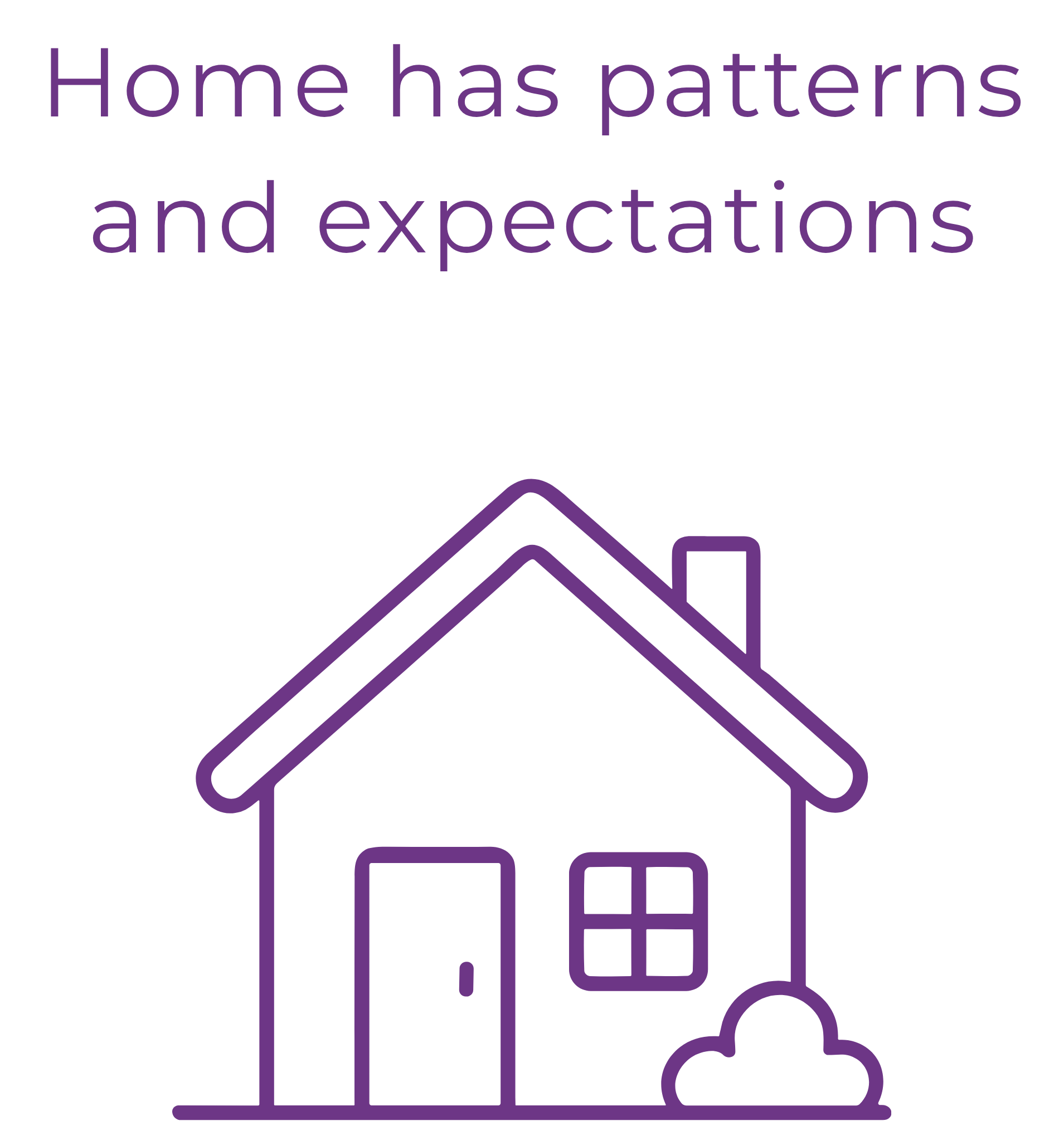
Is Carried Everywhere
A School-Home Alignment framework helping international school families strengthen the Learning Conditions children rely on across school, home, and daily life.
25+ Years in International Schools | Certified School Counselor
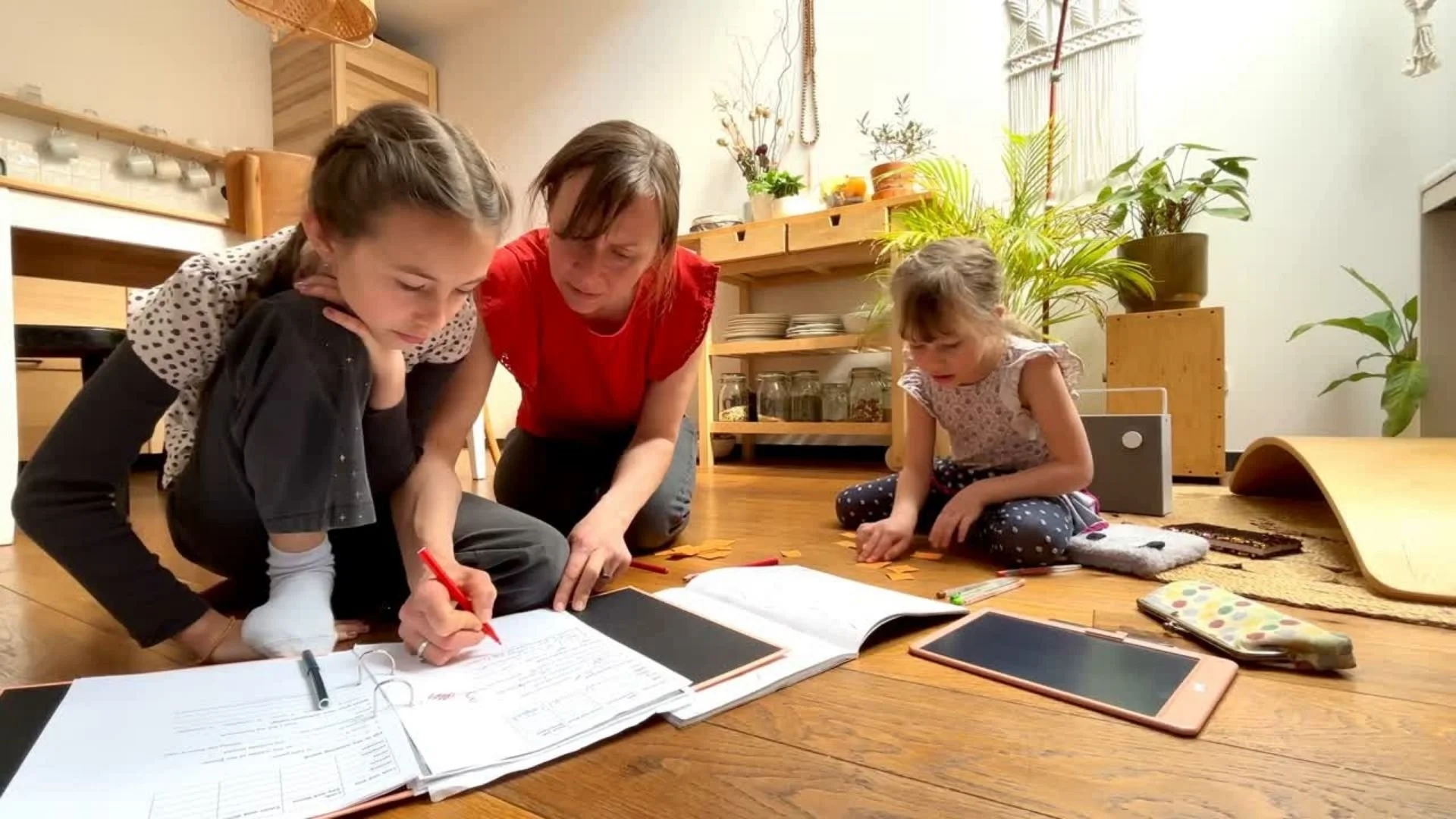
Does This Feel Familiar?
Capable in one environment, but with less capacity available in another

Needs more support with things they can usually do independently

Familiar routines or transitions become harder to navigate at particular times

Capacity can look different when the demands and conditions are different.
Understanding the pattern is the first step toward alignment.
Why Alignment Matters
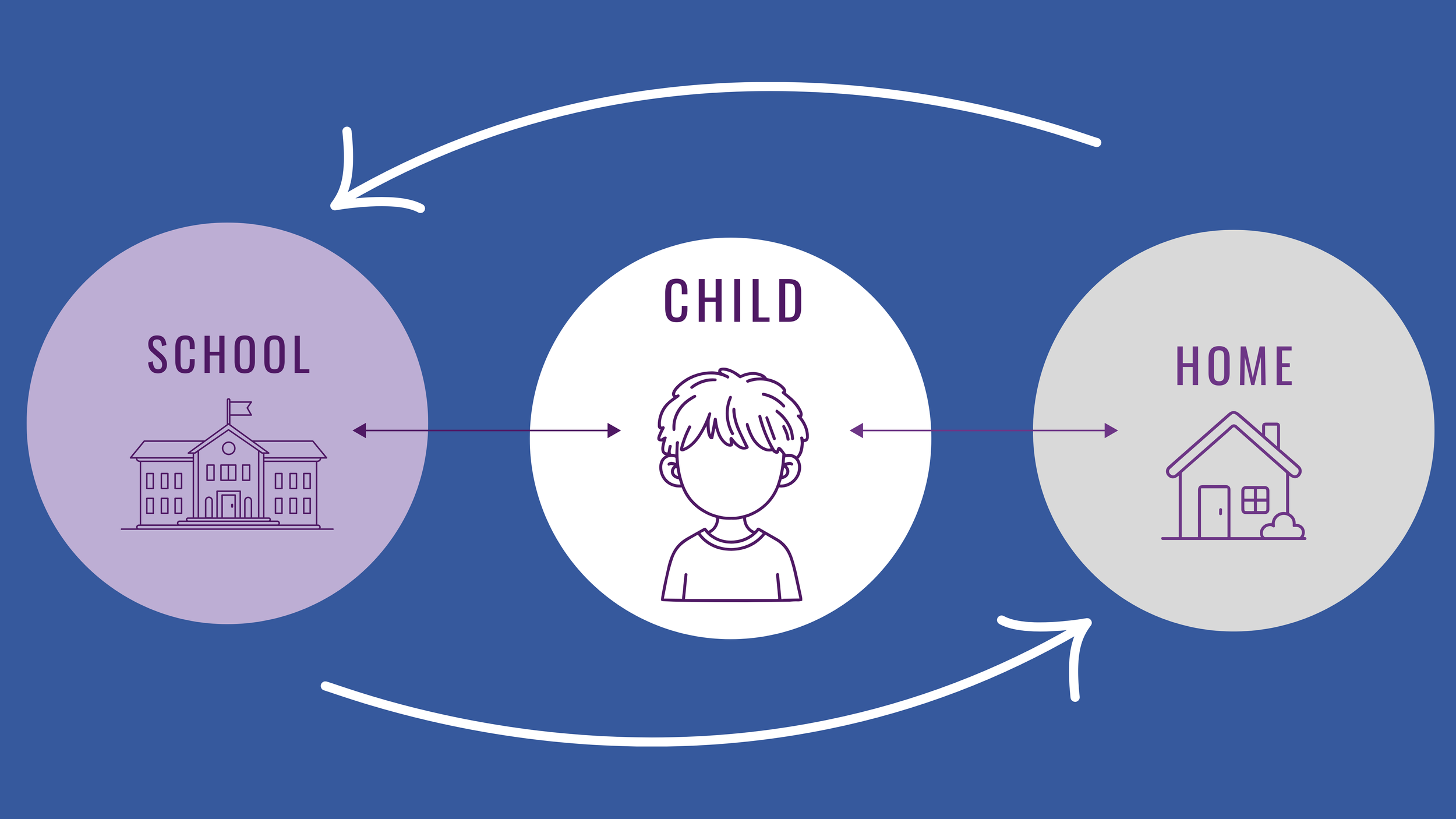
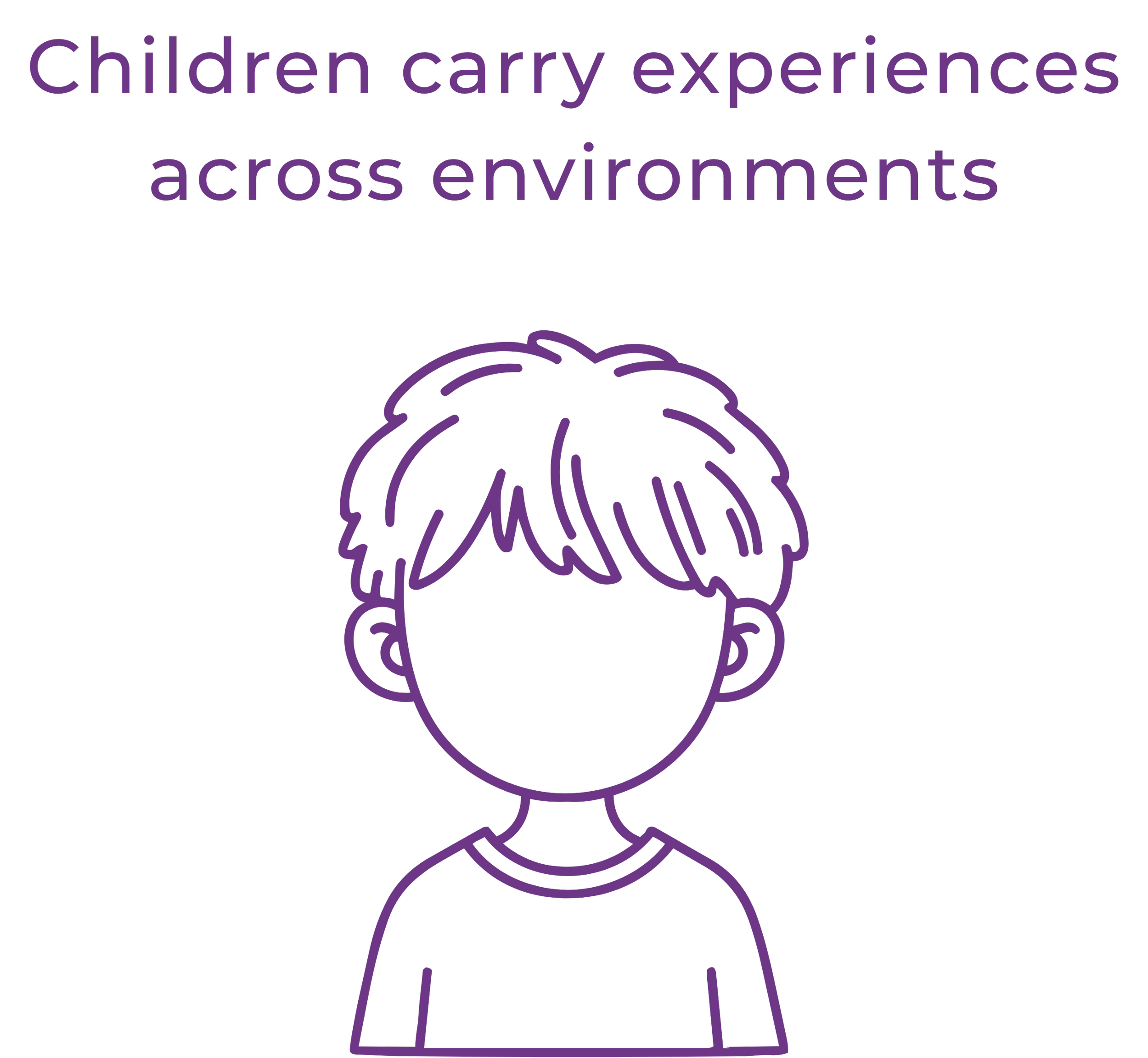
Children move across school, home, and daily life every day.
Each environment naturally has different expectations, routines, relationships, and responses. Moving between them requires children to use their capacity to adjust.
We call this Adjustment Load.
When children are using excessive capacity to adjust, less may be available for attention, independence, emotional steadiness, and learning.
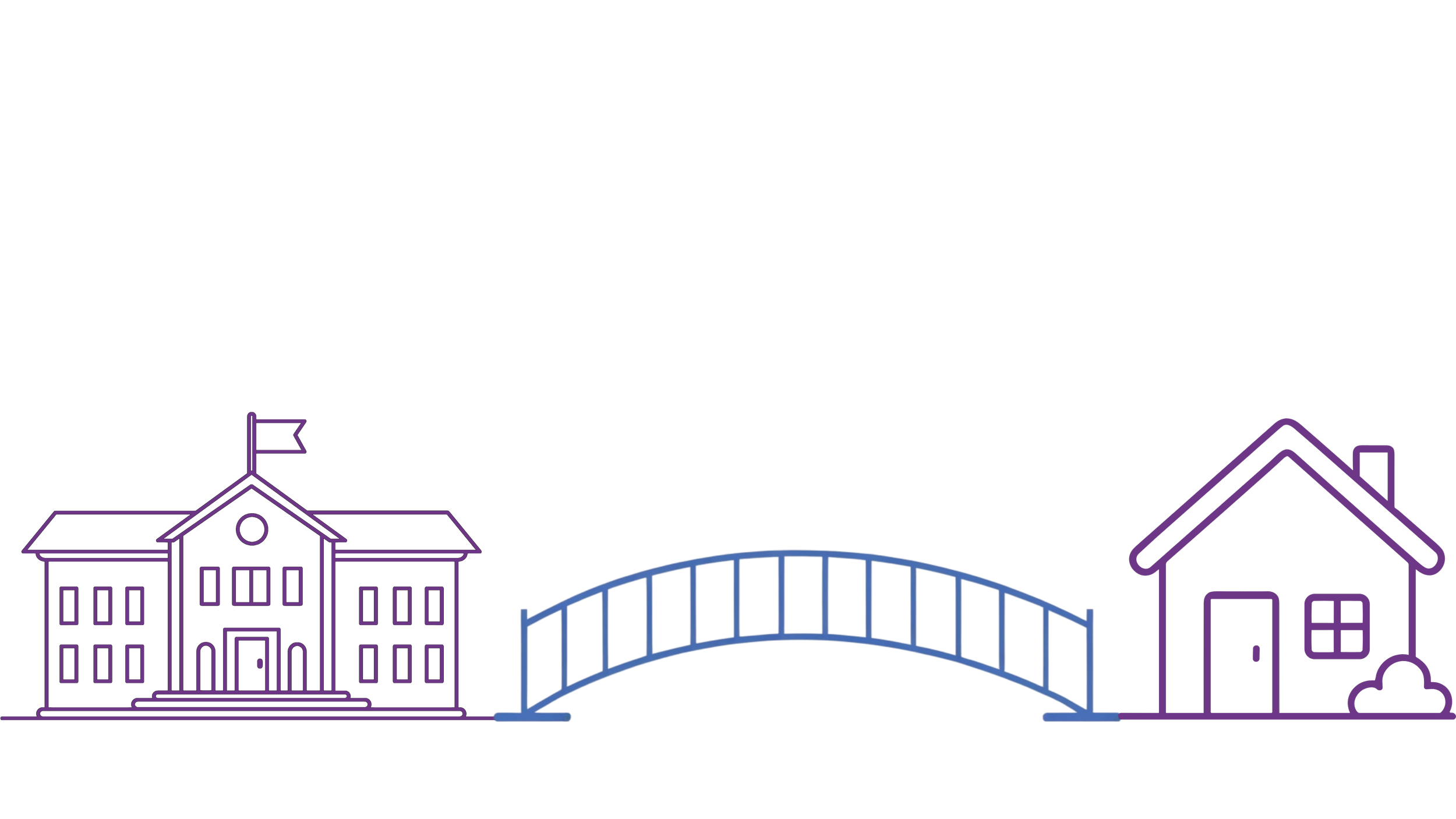
School-Home Alignment creates greater continuity in the
child-centered principles children experience across environments.
Different environments. Aligned principles.


Different Expectations
Different
Routines
Different
Responses
ADJUSTMENT REQUIRES ENERGY
LESS CAPACITY AVAILABLE FOR:
BETTER ALIGNMENT CAN:
Reduce unnecessary Adjustment Load
Increase predictability
Better support Access to Learning


Academic Access Is Not Built At School Alone
The Instill Alignment Model
Student Access to Learning Depends on Alignment
The Instill Alignment Model identifies the core conditions that shape consistent access to learning across environments.
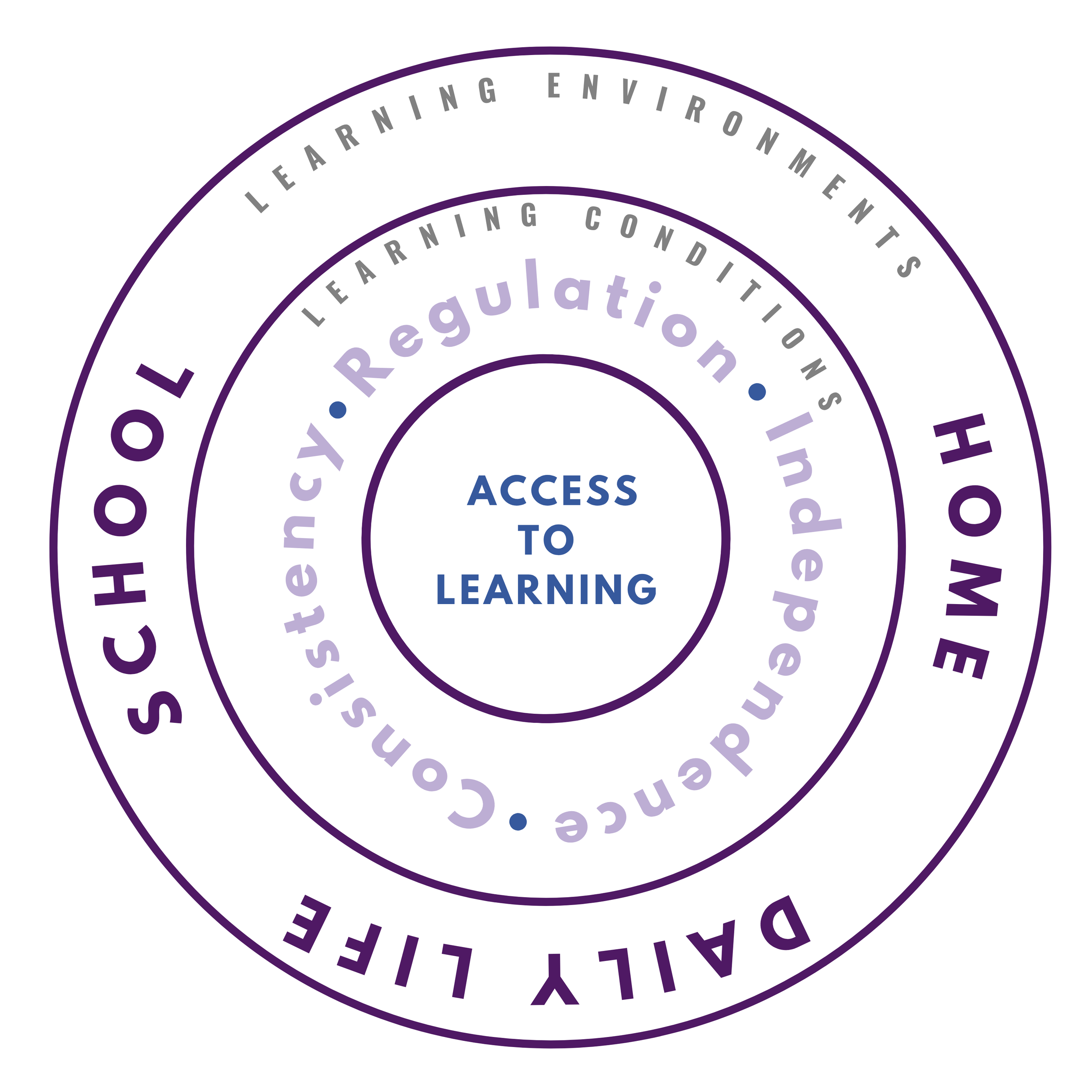
Regulation • Independence • Consistency
Three core conditions that support access to learning across environments.
When student access to learning feels inconsistent, one or more of these conditions is under strain.
Three Conditions That Support Access to Learning
The ability to stay
emotionally steady and attentive enough for learning to remain accessible.
Regulation
The presence of clear, predictable expectations and responses across environments that
support learning.
Consistency
Independence
The ability to begin, sustain, and take responsibility for
learning without constant adult support.
Choose the Right Level of Implementation
Foundational Modules
A private, self-directed implementation for families who want to understand and strengthen one specific area within a Learning Condition: Regulation, Independence, or Consistency.
Best for families who can identify one recurring pattern or area of strain and want focused implementation at home.
$397 USD
Per Module
The Alignment Blueprint
A private, guided six-month implementation for families ready to strengthen School-Home Alignment across patterns that extend through their child’s day.
Best for families who see recurring patterns across environments, routines, transitions, expectations, or adult responses and want guided alignment over time.
$4997 USD
or 3 payments of $1,797 USD

Built from more than
25 years in international education
Children access learning more consistently when school and home reinforce the same learning conditions. Instill Your Life translates those conditions into practical home alignment, so children spend less energy adjusting between environments and gain more consistent access to learning.

International Educator

Certified School Counselor

Child & Family Development